
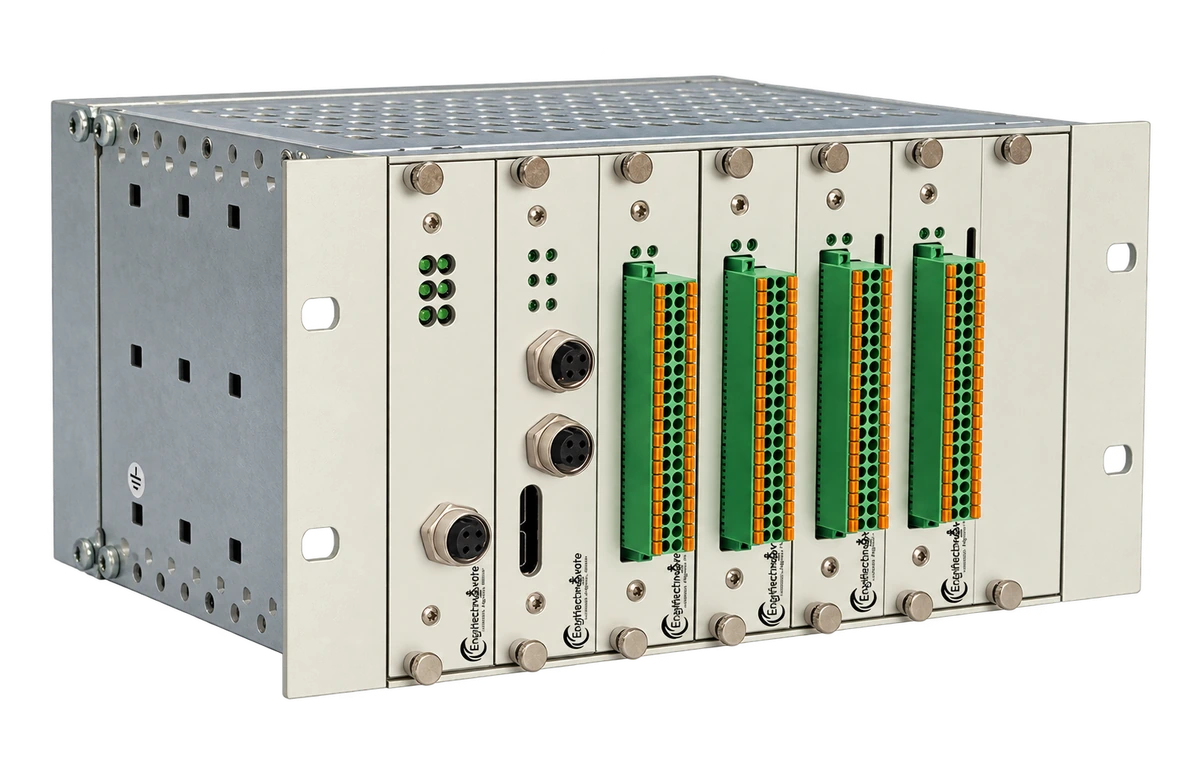
Control, I/O & monitoring
RailConX Standard
RailConX-P and RailConX-C support control processing and distributed I/O. RailConX-R collects operational data for remote monitoring.

As railway systems become increasingly connected, cybersecurity is critical to protecting networks, onboard systems, and sensitive operational data.Rising connectivity also increases exposure to cyber threats, unauthorized access, and potential system disruptions.Securing communication channels, digital infrastructure, and critical railway operations is essential to ensuring safety and reliability.We deliver intelligent, integrated cybersecurity solutions to detect, prevent, and mitigate cyber threats across modern railway networks.
Our cybersecurity architecture establishes a structured security framework for onboard rolling stock systems. It defines trust zones, secure communication pathways and controlled interfaces between train subsystems, ensuring system isolation, protected data exchange and improved resilience across the railway network.
Train-internal field systems connect through a protected TCMS network.
Protect the TCMS processor, endpoints and data within the high-trust network.
A controlled boundary connects train-internal trust zones to external services.
External security services support monitoring, maintenance and incident handling.
Start with each device's role in the train architecture. Then define its interfaces, permitted data flows and maintenance requirements.
Control, I/O & monitoring
RailConX-P and RailConX-C support control processing and distributed I/O. RailConX-R collects operational data for remote monitoring.
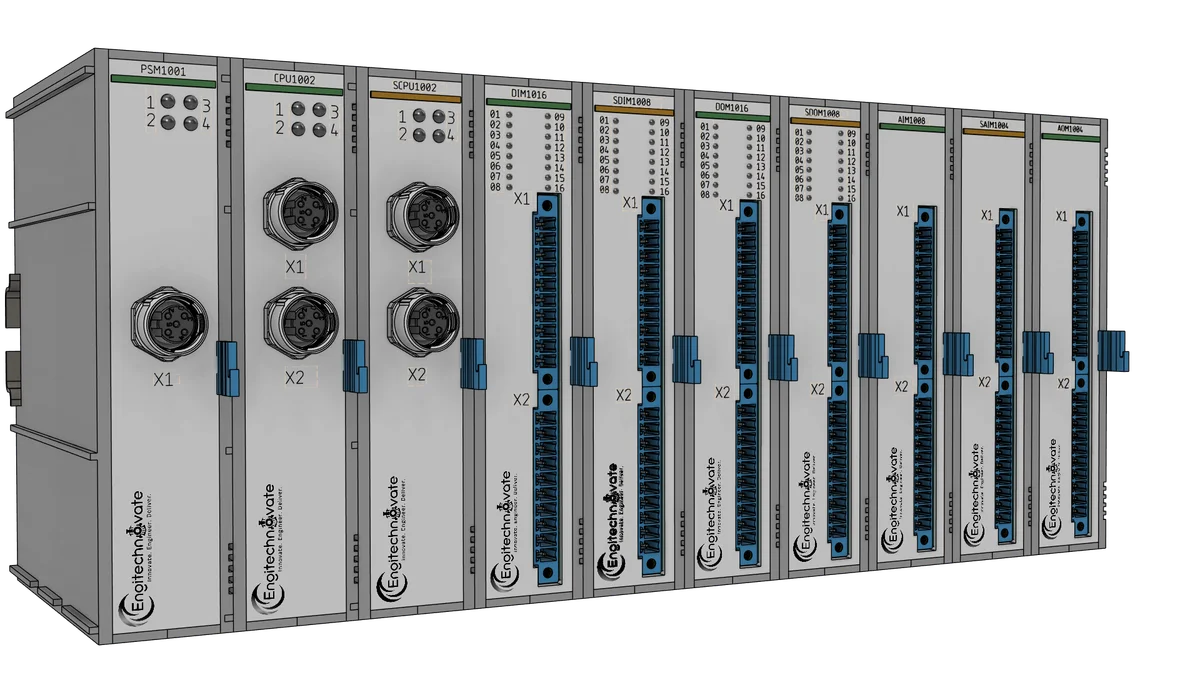
Modular control architecture
DIN rail control and I/O platforms for the selected cabinet layout and supported train interfaces.
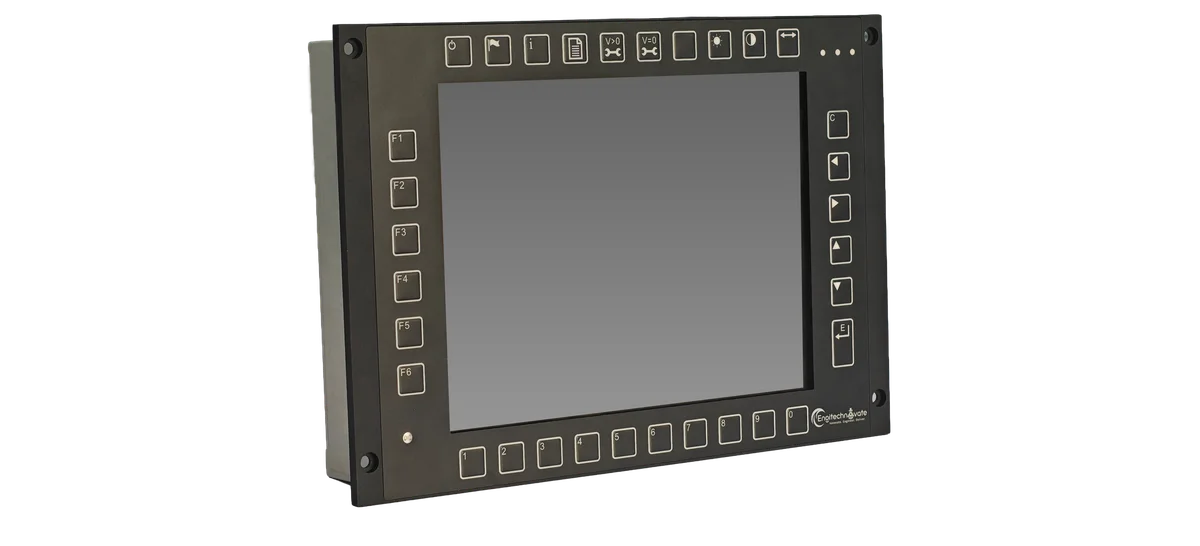
Driver information & diagnostics
Driver displays present train status and diagnostic information through the configured communication interfaces.
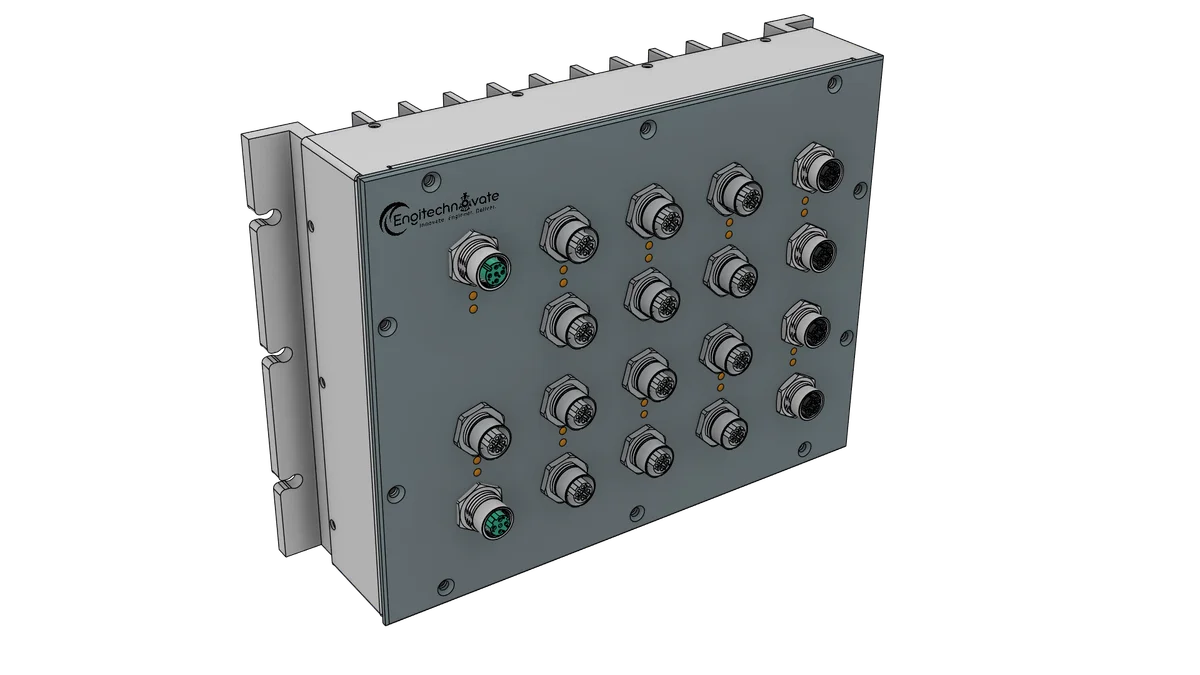
Consist & backbone networking
ECS connects devices within the consist network. ETBN connects consist networks across the train backbone.
Railway cybersecurity combines lifecycle management, system design and product assurance. Agree the applicable editions, evidence and responsibilities with the vehicle manufacturer, integrator and operator.
Railway cybersecurity across the system lifecycle, coordinated with the EN 50126 RAMS process. Covers risk assessment, assurance, operation and maintenance. The 2023 edition replaced the earlier 2021 edition.
System risk assessment, zones and conduits, target security levels and technical system requirements. Allocate the required controls to the complete train network architecture and verify their implementation.
Secure development processes and technical requirements for control-system components. Use them to define development evidence, component capabilities and the integration conditions for the selected equipment.
Security programmes for asset owners and service providers, including operation, integration and maintenance. The revised editions clarify organisational responsibilities and the processes needed to sustain protection over time.
The developing railway cybersecurity standard brings together lifecycle activities, risk management, assurance and supplier responsibilities. Its European adoption is still in development at the review date; confirm publication and the agreed project baseline before applying it.
The 2026 update to V1.0 covers secure components, secure communication, shared cybersecurity services and security programme requirements. These support sector interoperability and requirements tracing; they are not a blanket product certification or an automatic TSI obligation.
For products with digital elements within its scope, the CRA addresses product cybersecurity and vulnerability handling. Reporting obligations apply from 11 September 2026; the main requirements apply from 11 December 2027. Assess scope and the manufacturer's obligations for the EU market.
NIS2 addresses organisational risk management, supply-chain security and incident reporting for covered entities, including relevant rail-sector organisations. Applicability depends on entity scope and national implementation; it is not a product certification.
These references inform project requirements; listing them does not claim RailConX certification or blanket compliance. Confirm the supplied configuration, assessment scope and EU market obligations for each project. Cybersecurity security levels (SL) and functional safety integrity levels (SIL) have different meanings.